FARO – THE BLUE REGION OF PORTUGAL
…”I love the feeling of being anonymous in a city I’ve never been to before”…
B.Bryson
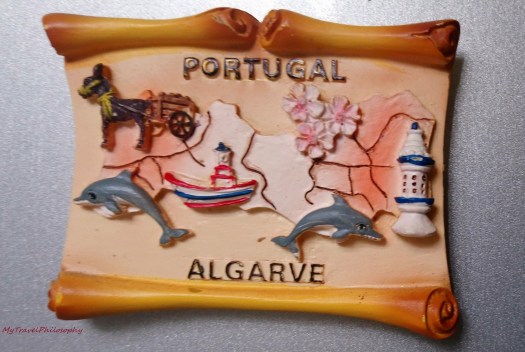
The December weather in London can put literally everyone in a really sad mood. Cold, wet, dark… Even if the temperature outside the window is nothing like Polish frost, the weather is not too positive. In a another word – vit D deficiency guaranteed…
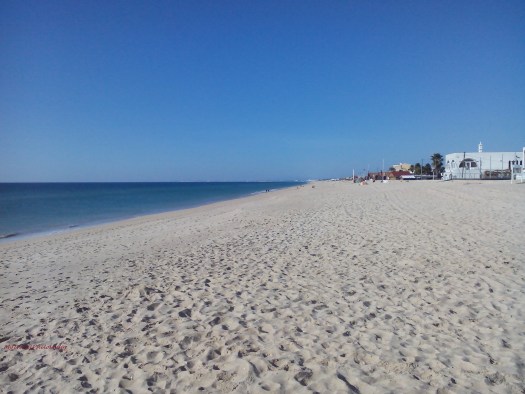
Looking for a warm place in Europe five years ago, where a thermometer would show more than 15 C, my choice fell on the south of Portugal, the Algarve region. Faro – a medium-sized town, picturesquely located by the Atlantic Ocean, southernmost area, near the Ria Farmosa Natural Park.
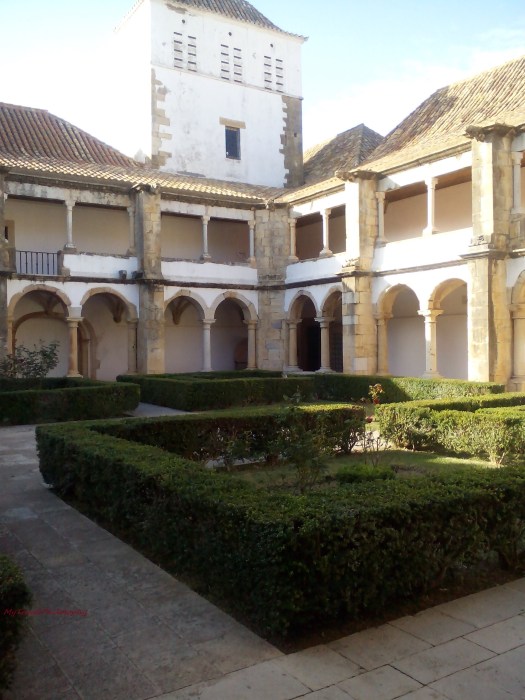
As it turned out on the spot, the area not only offered a beautiful sun, but also, and for me, above all – peace, charm and an almost idyllic atmosphere. Charming tiny streets, small Old Town, nice cafes, and all surrounded by Cidade Velha, thick walls of the city, which dates back to the 9th century.
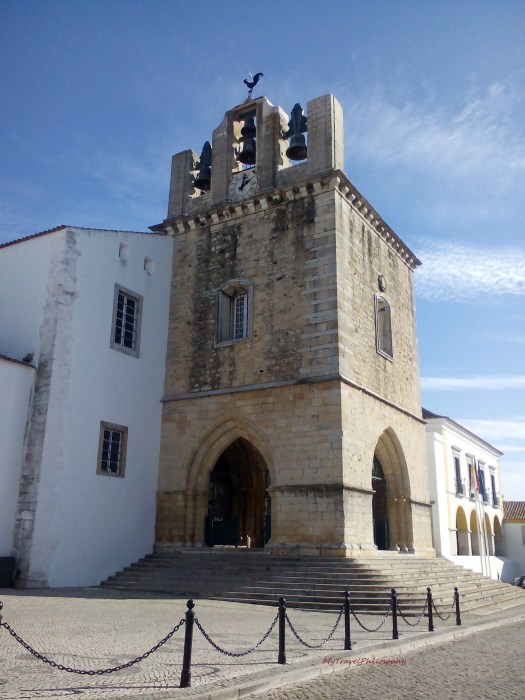
The first traces of settlements in the Algarve region come from the 4th century BC .Today’s Faro is a place influenced by many cultures: from the Phoenicians, Visigoths, through the Romans, to Jewish and Arab culture. Their remains are clearly visible in architecture and monuments. Experienced by crusades, floods and even earthquakes, Faro is today not only a historical testimony of this part of the world, but above all a city where, far from resorts, one can admire such real, local Portugal.
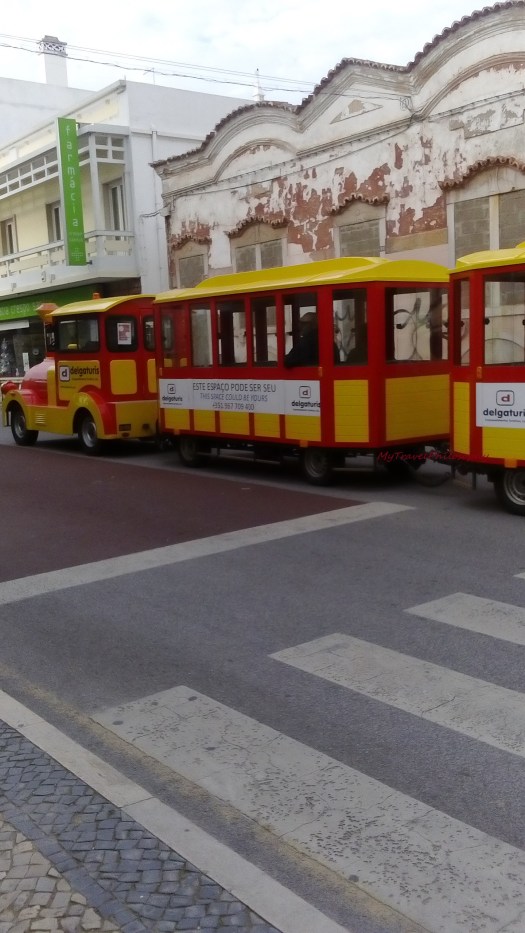
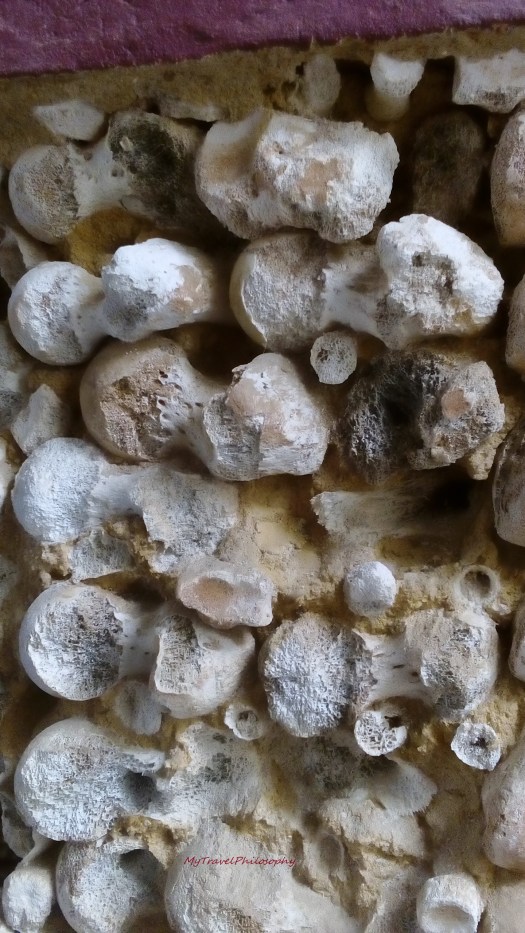
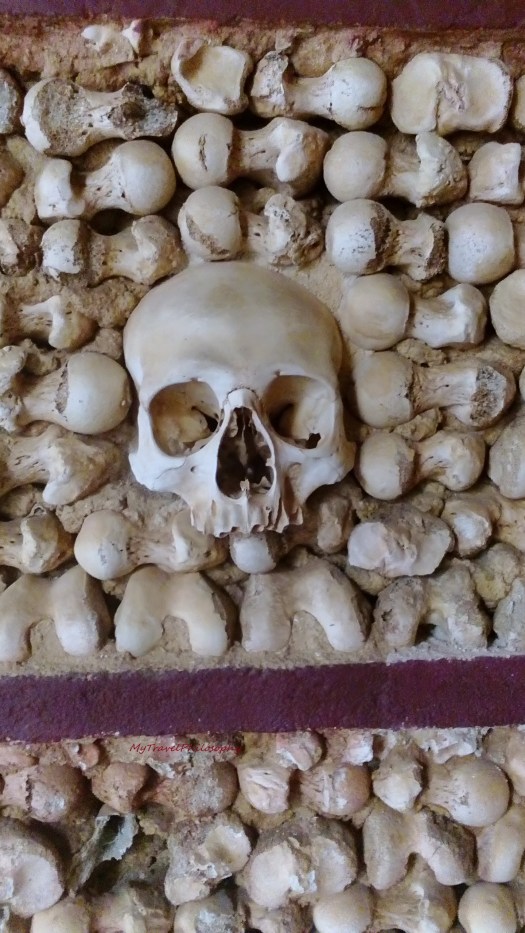
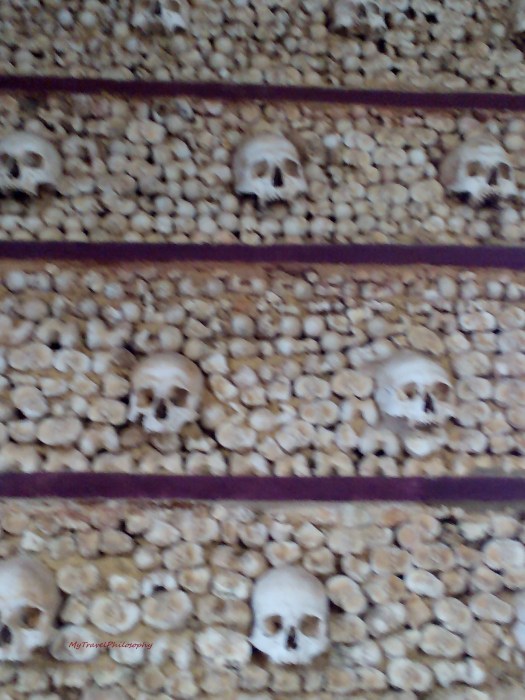
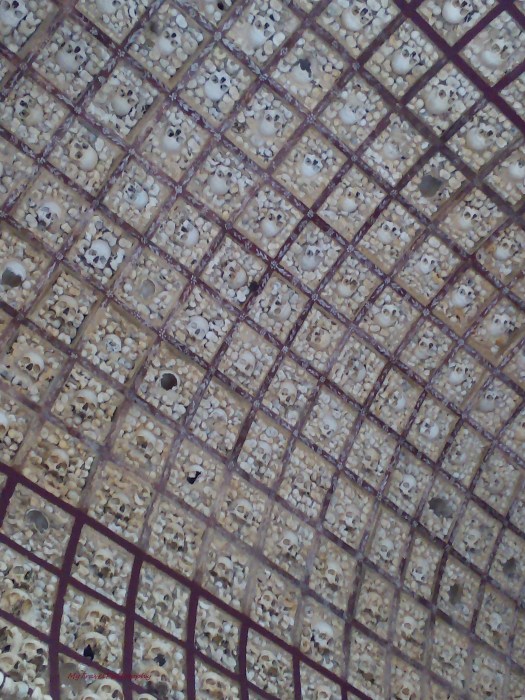
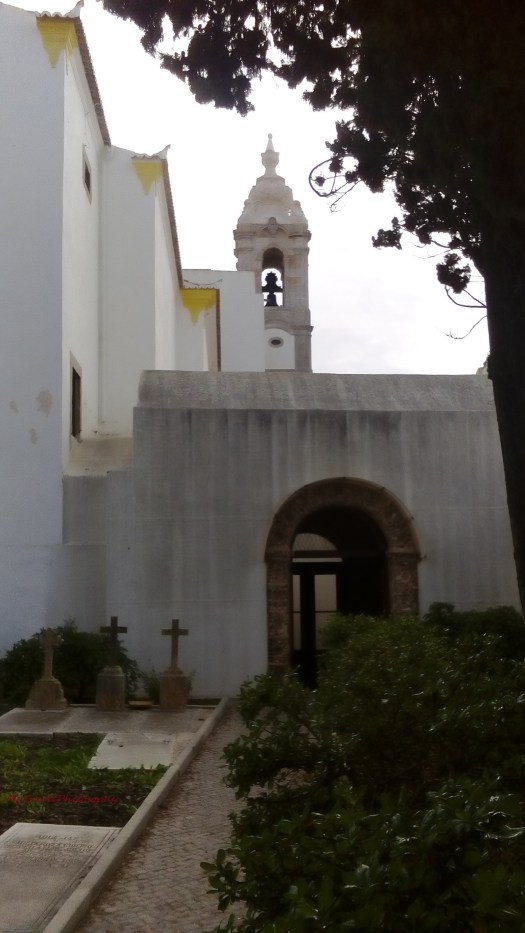
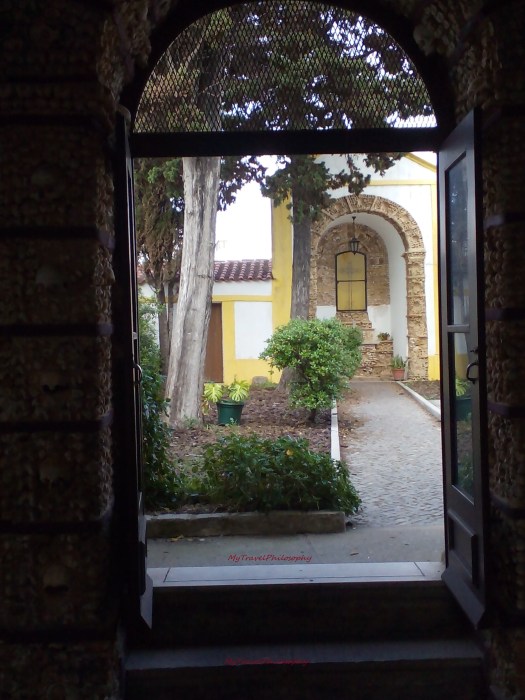
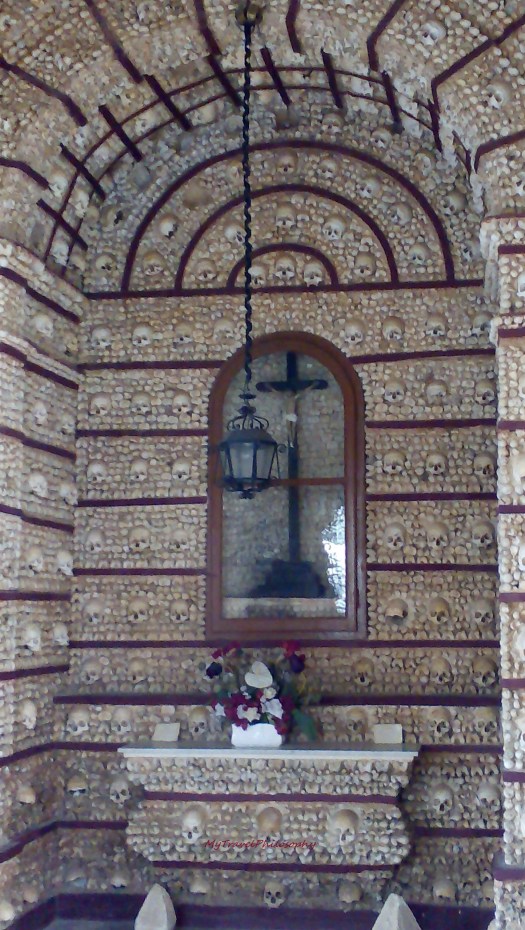
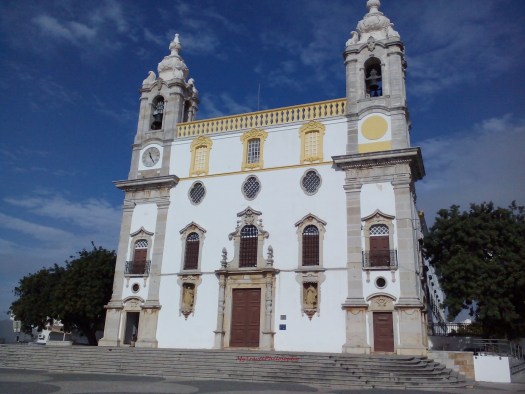
Next to the beautiful Cathedral, Se de Faro, built on the site of a former mosque, Castelo de Faro castle, or Governor’s Palace, Alfonso III, by far the most attention-grabbing place is Capela dos Ossos, the Skull Chapel. It is located in the back yard of the Igreja da Carmo church. The chapel is small, but amazingly frightening and fascinating at the same time. Lined with real human bones, exhumed from a nearby cemetery in the 19th century. The cemetery was full at that time, and thus it was decided to allocate bones belonging to the monks, to cover the walls of the chapel. This view makes a really amazing impression … For those, who are always on the run, a very good option is the possibility of an organised tour in historical footsteps of Faro.
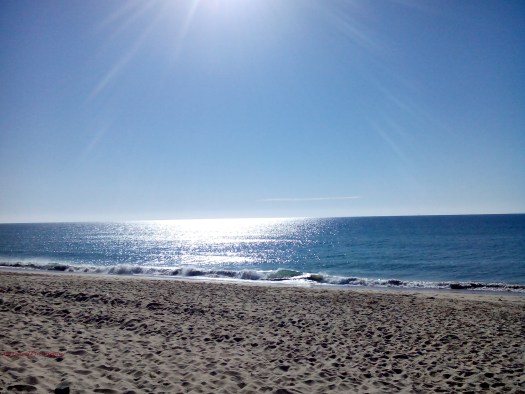
However, Faro is also the aforementioned beautiful nature. Well-known lagoons, where you can observe animals in their natural surroundings, sandy beaches or possibility of admiring the birds, that migrate from the north of Europe to the Algarve in winter.
Noteworthy is also very mild and aromatic, tasty Portugal cuisine. In addition to typical meat dishes, we can enchant the palate with deliciously prepared seafood and very good wines. Using fresh products on a regular basis, sprinkling them with local spices from local crops, this kitchen is definitely recommendable at any time of the year, even outside the so-called season.

Moving around Faro is not complicated. The city has its own airport, train station and bus network. Details of rail access can be found on the Combios de Portugal website. Bus timetables on the Algarve Public Transport. Faro also has its own bus station, Próximo. Avid hikers can also go from Faro to Gibraltar.
I have to admit that I’ve got nothing but good memories about our week in the south of Portugal. I was really surprised by this area. The townspeople were extremely friendly and helpful, even knowing that we understood completely nothing in their language 🤣🙈. Delicious cuisine, affordable prices, no everyday European rush, extremely pleasant views for every eye, the nature of the Algarve surrounding them, are just a few of the reasons why I honestly recommend that direction for a holiday break 😀
 MyTravelPhilosophy
Jedna odpowiedź na “”